Carpets are loved for the level of warmth and comfort they offer that other floors just cannot match, but they do get a lot dirtier a lot easier. Even with every ounce of care and precaution accidents and spills are bound to happen, and we cannot all keep a carpet cleaner and an army of chemicals on hand to deal with them.
Rather than walking on eggshells around your plush new carpet, we think you'll be more at ease knowing how to clean these stains yourself using common household items to preserve your flooring's fibres. These are 11 of the most common stains that occur in every household, and just how you can eliminate them.
1 - How to get pet hair out of carpet
Our furry friends can be anything from occasional shedders to constantly moulting menaces. Vacuuming is the best way to stay on top of it and save yourself from stress, and there are many upright vacuum cleaners on the market for pet-friendly households.
If you cannot get the upgraded equipment for your home, or the hair is a bit too stubborn, try loosening the fur from the fabric by applying a mixture of water and fabric softener. Leave it to dry and then try vacuuming again. This can be a war of attrition to clean, so keep trying and trying again with it.


2 - How to get blood out of carpet
No one wants to think about blood getting into their carpet, but it can happen. If you are trying to remove wet blood from carpet, spray the affected area with cold water and dab it dry, making sure not to rub it in. Repeat as many times as necessary until the wet blood disappears and let it air dry or use a wet vacuum.
If you are trying to remove dried blood - first, mix equal parts warm water and white vinegar with some bicarbonate of soda. Spray or lightly pour it onto the affected area and, as before, dab it dry.
3 - How to get paint out of carpet
If the paint is still wet, you can easily blot it out of the carpet with a damp bit of kitchen roll. Be sure not to scrub, just blot. If the paint has dried, pour on a little bit of hot water mixed with washing up liquid. After a few minutes, the paint will soften and can be scraped up with a knife.
4 - How to get wax out of carpets
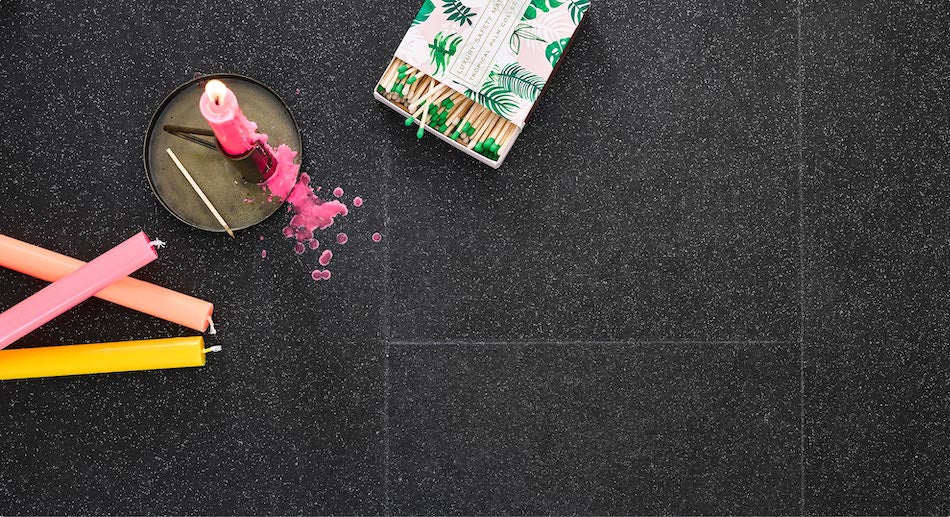
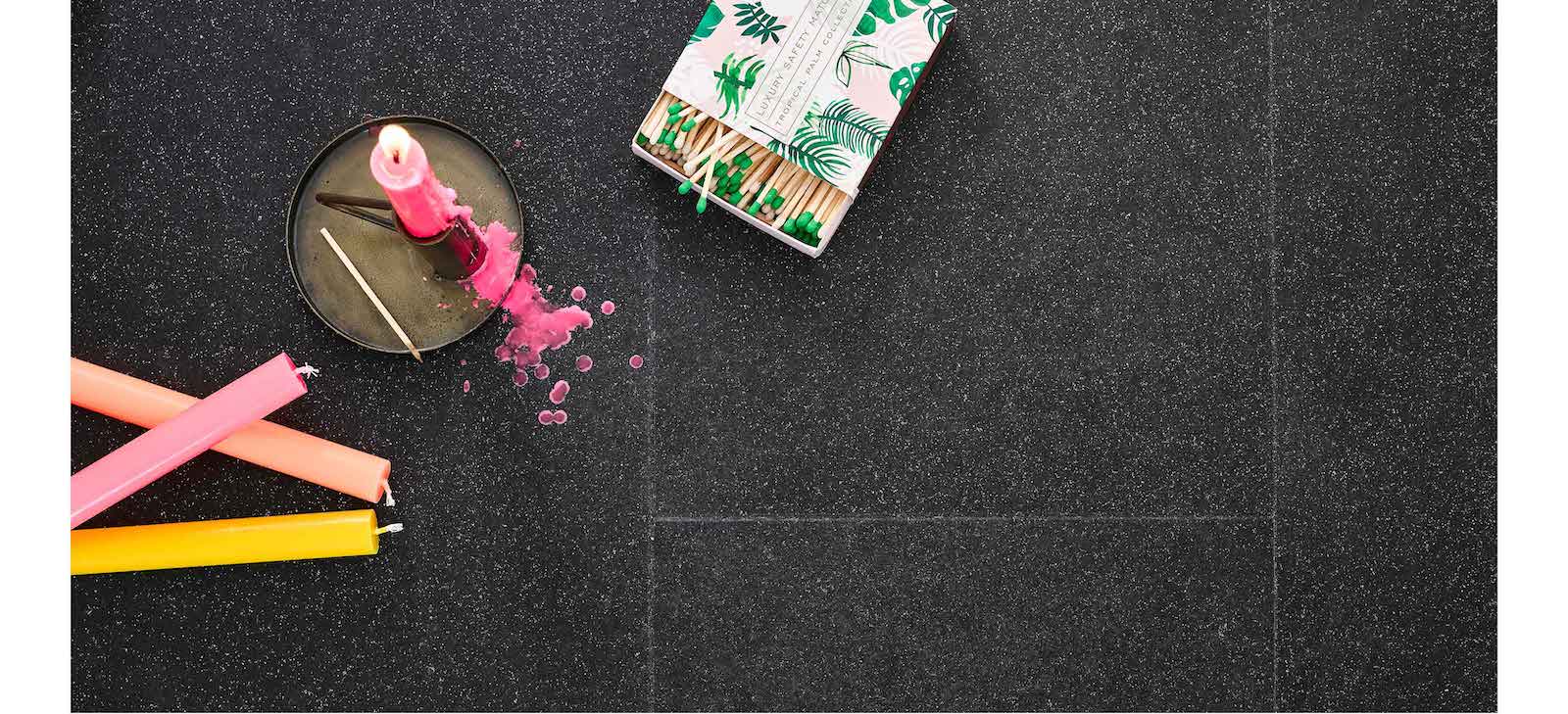
If any wax drips down onto your carpet, its best to leave it to harden before you start cleaning it up.
First, scrape away as much of the hardened wax that you can using a knife. Then get an iron on high setting and a damp cotton towel - place the towel over the wax and press the iron over the towel in ten to thirty second bursts to draw the wax from the carpet and into the towel.
5 - How to get red wine out of carpet
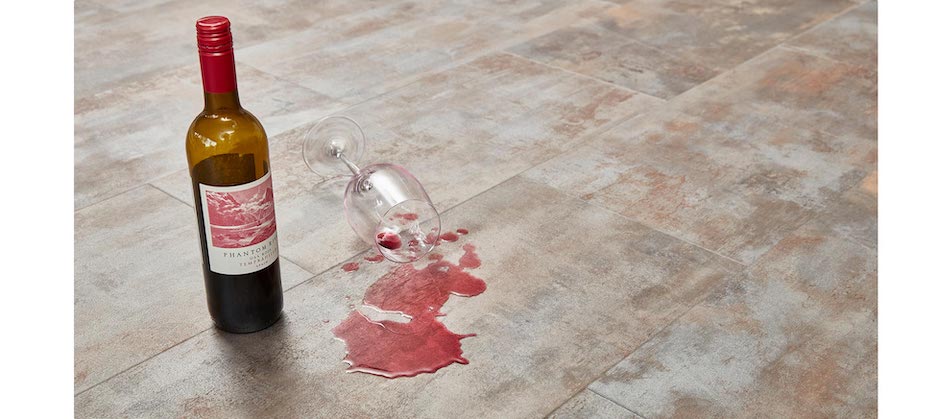
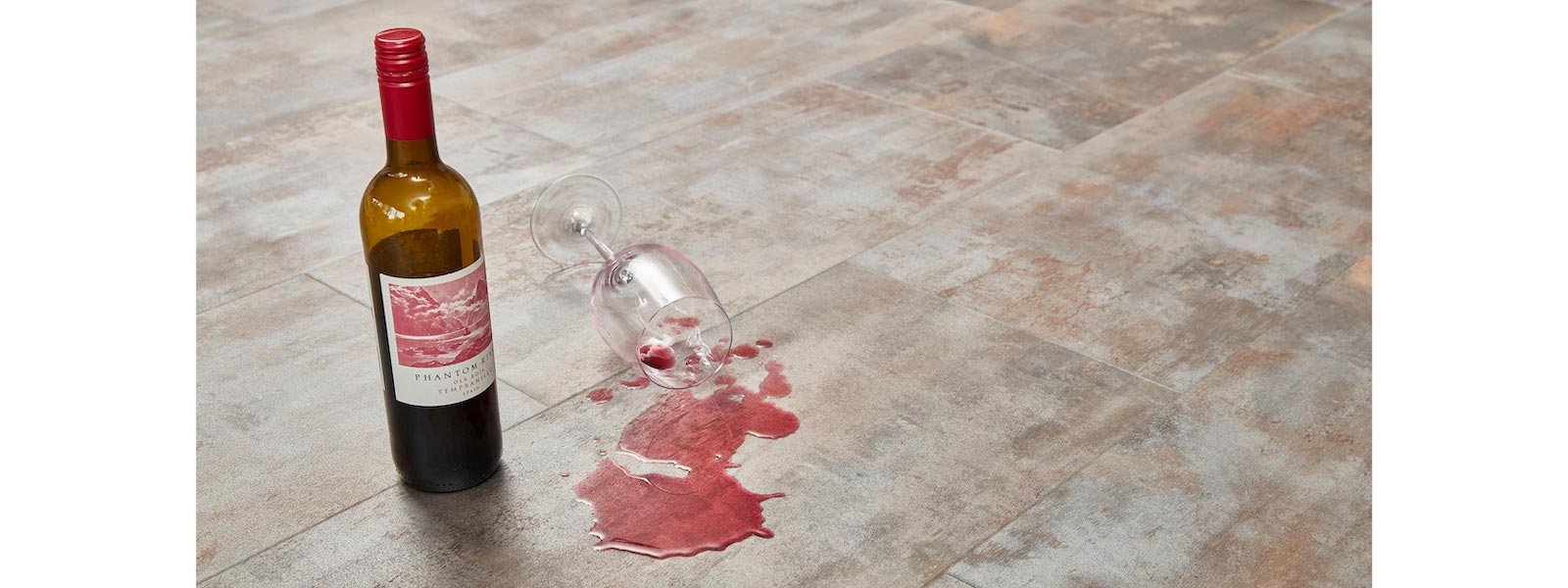
While it's best not to dwell on the thought of wine going to waste, a quick response is needed to stop it from staining your carpet. Make a mix of washing up liquid and white vinegar and add it to warm water to blot the wine. Make sure you only use a white cloth so the pigment doesn't bleed into the carpet.
If it's a dry stain you will need to acquire speciality cleaning solutions and equipment to successfully remove it from your carpet.
6 - How to get nail polish out of carpet
If you have spilled some of this in your home, you likely have some nail polish remover to go with it. Dabbing at the stain with some of this is the best way to remove your nail polish if it has already dried up.
Even if you get to it while it's still wet, nail polish dries so quickly there will still be some dried remnants to remove. If any is still wet, first blot the stain with an old tea towel or something similar you are happy to dispose of afterwards, then apply the nail polish remover as before.
7 - How to get slime out of carpet
It's easy to see why kids love this stuff so much - and why parents don't. If you need to get slime out of your carpet, start by mixing one-part warm water with two parts vinegar and rubbing it into the affected area with a soft brush. Blot it dry with a clean towel and repeat until it has all come up. Lastly, vacuum the area once it is dry.
8 - How to get coffee out of carpet
Coffee stains are most glaring on lighter carpets, but it's wise to clean them up even if you have a dark carpet so as not to leave permanent damage.
Start by blotting up as much of the coffee as you can with kitchen roll or a cloth. Then make a mix of warm water and a small amount of washing up liquid and white vinegar to sponge the stain, applying with a white cloth.
Apply a little bit of this before blotting frequently with a dry cloth. Just keep alternating between the two until the stain disappears.
9 - How to get chocolate out of carpet
Chocolate is surprisingly straightforward to remove from the carpet, which is just another reason to treat yourself to some. Hardening the chocolate is key, so if its melted at all use some ice cubes or a packet of frozen veg to solidify it.
From there, just add some cold water mixed with washing up liquid to the affected area, either by spray or blotting it in with a clean cloth. Dab it dry and repeat until you've removed all the chocolate.
10 - How to get hair dye out of carpet
As hair dye is intended to permanently colour, it will bond very quickly to your carpet. To that end you want to work fast - clean up any excess liquid by blotting with a cloth or kitchen roll. When you've cleaned up all you can, work in a cleaning solution made of washing up liquid, white vinegar, and water using a clean sponge. Alternate between this and dabbing at the stain with a dry cloth until it lightens and ultimately disappears.
If its an old or dried-up stain, look at getting specialty equipment to remove the hair dye.
11 - How to get makeup out of carpet
Since even the most common products of any makeup kit - like foundation, mascara, and lipstick - are comprised of very different chemical compounds, eliminating their stains without fit-for-purpose products can't follow any one hard and fast rule.
Still, if faced with a makeup mishap, dabbing the stain with a wet cloth is the best start, mixing it with some vinegar and/or washing up liquid if it proves stubborn. Microfibre cloths are best, as is using any liquid makeup removal you already have that works with the spilled product.
If none of the tricks above have worked and you find any stains too stubborn or difficult to remove, it's best to contact your carpet's manufacturer for guidance to avoid discolouring your carpet.