Herringbone and Chevron Flooring
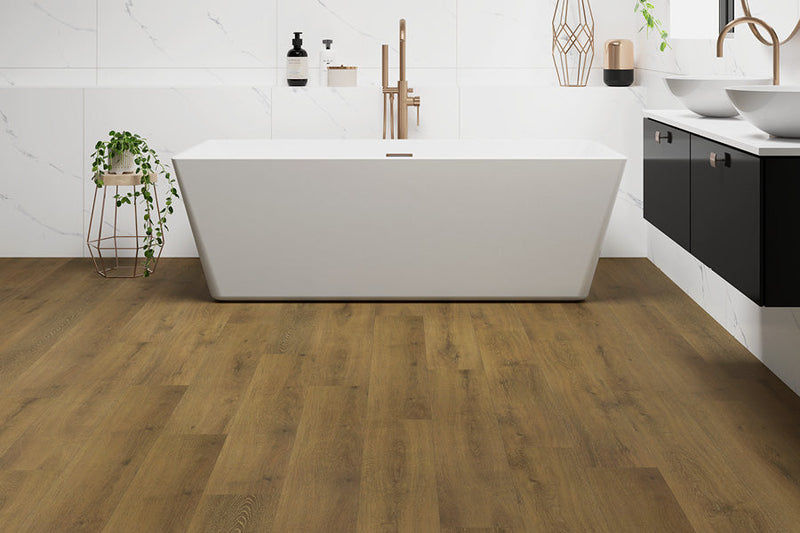
Add a touch of elegance to any room with our herringbone and chevron floors. Staples of luxurious Parisian apartments, these versatile patterns are also popular in modern homes, bringing a stylish sophistication to living rooms, hallways and even bathrooms.
Our chevron and herringbone collection features a range of durable, easy-to-maintain materials to suit every budget, from herringbone real wood flooring and laminate herringbone options to luxury vinyl herringbone floors.
Browse our collection or order a free sample today.
Herringbone Flooring
Our herringbone floors start from less than £20 per square metre and come in a range of designs, from traditional-looking narrow planks to modern wide ones. Colours vary across classic natural tones, contemporary greys, cheerful lights and warm darks.
Tongue and groove is the traditional, secure choice for installation, while modern click-lock systems are quick and convenient. Many herringbone floors are underfloor-heating compatible, and they're great for kitchens, hallways and living rooms.
Chevron Flooring
Chevron floors share a distinctive V-shape pattern with herringbone and are often described as feeling contemporary, especially when bold, wide planks and light or grey colours are used. Narrow, natural and dark ones can create unique, compelling looks, too.
Chevron flooring can be used with underfloor heating and looks fantastic in any room, but it's especially suited for hallways and open-plan spaces because it adds a sense of direction and flow.