Herringbone Vinyl Flooring (LVT)
Our herringbone luxury vinyl floors bring you classic high-end design without the commitment of caring for real wood. Instead, you get the natural, beautiful look of wood grain with all the benefits of practical modern materials.
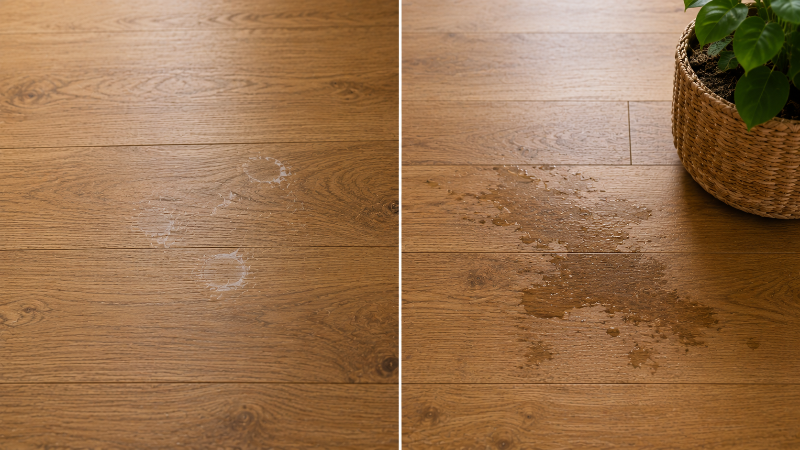
For example, you can enjoy the classic-looking style of herringbone with no concerns about scuffs or stains. Luxury vinyl flooring can endure heavy use, keep moisture at bay, and handle just about anything a busy household can throw at it.
Pets, children and even frequent parties pose no real problem for our high-quality LVT, and this timeless pattern can truly transform your space.
Take a look at our collection to see how.
Why Choose Herringbone in Luxury Vinyl?
A herringbone floor adds a touch of elegance and refinement to any room, but it's also a neutral pattern that doesn't become the centre of attention. Used well, it can make spaces feel larger and full of life.
Wood is the traditional choice for herringbone flooring, but luxury vinyl offers a number of advantages, beginning with easy installation. Most LVT uses modern click or glue-down mechanisms, which enable quicker installation without specialist tools.
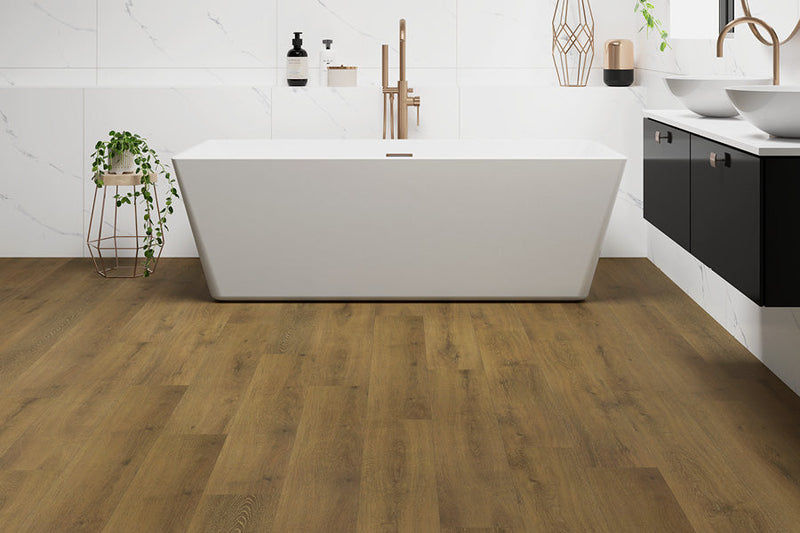
Vinyl also makes herringbone flooring an option in spaces where it would be hard to install real wood, like kitchens, bathrooms and high-traffic hallways. Vinyl is constructed to be extremely water-resistant and to withstand impact.
Material & Design Options
Because the look of LVT comes from a high-definition printed layer, many different finishes are available. Warm, natural wood is the traditional choice for herringbone, but you also have choices like grey or stone for fresh, unique looks.
The herringbone pattern itself is formed by arranging boards at right angles. The thickness of these boards, and specifically the wear layer on the surface, makes a difference to how long they'll last. Choose sturdier options in high-traffic areas.
Another modern benefit of LVT is its compatibility with underfloor heating. Correct installation is essential for this. Many vinyl boards simplify installation by using a click system and built-in underlay.
Application Advice & After-care
There's nowhere that luxury vinyl herringbone can't really go, but its durability and water resistance make LVT especially suited to hallways and kitchens.
However, you might enjoy the sophisticated style of your herringbone pattern more by putting it in a room where you spend time and relax, like the living room.
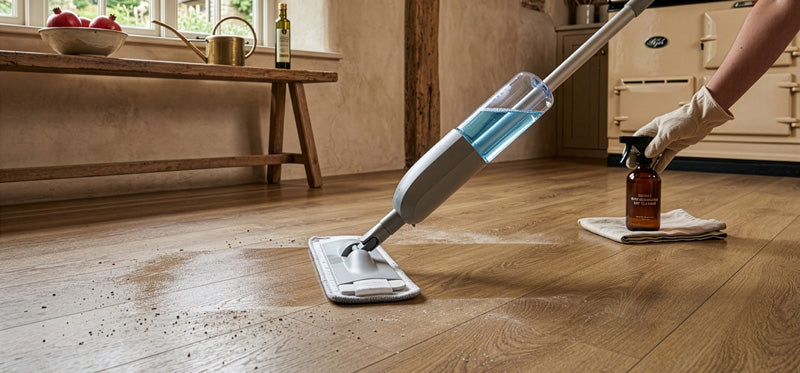
Wherever you choose to put it, you can look forward to enjoying it for a long time with very little maintenance. LVT doesn't require as much upkeep as real-wood. Just keep it clean.